Introduction
When it comes to materials that must survive in the harshest chemical environments, few alloys can match the performance of Hastelloy C-276.
From hot mineral acids and wet chlorine gas to seawater and high-pressure sour service, this superalloy has earned its reputation as a workhorse across multiple industries.
At Jiangsu Zhongmiao Steel Co., Ltd., we understand that selecting the right material is not just about specification sheets. It is about long-term reliability, safety, and total cost of ownership.
In this article, we will explore what makes Hastelloy C-276 plates so exceptional, where they are used, and how Zhongmiao Steel ensures you get the genuine, high-performance product you need.
The Chemistry Behind the Performance
Hastelloy C-276, designated as UNS N10276, is a nickel-molybdenum-chromium superalloy with a carefully balanced chemical composition.
The alloy consists of approximately 57% nickel, which provides a stable matrix for severe environments. It contains 15–17% molybdenum, which is critical for resistance to reducing acids like hydrochloric and sulfuric acid.
The chromium content of 14–16% adds protection against oxidizing media, while 3–4.5% of tungsten enhances resistance to pitting and crevice corrosion. Small amounts of iron and cobalt round out the composition.
One of the key advantages of this alloy is its extremely low carbon and silicon content. This prevents the formation of grain boundary precipitates, meaning C-276 can be used in the as-welded condition without any risk of intergranular attack.
Key Properties at a Glance
Hastelloy C-276 offers an impressive combination of properties that make it suitable for the most demanding applications.
Its corrosion resistance is outstanding against pitting, crevice corrosion, stress corrosion cracking, and uniform attack in both oxidizing and reducing environments.
The alloy performs reliably across a wide temperature range, from cryogenic conditions up to approximately 1040°C (1900°F). It also offers good oxidation resistance in air up to this temperature.
In terms of fabricability, C-276 exhibits excellent weldability. No post-weld heat treatment is required for most applications, which significantly simplifies manufacturing processes.
Chemical Processing Industry Applications
The chemical processing industry is one of the largest users of Hastelloy C-276 plates.
Reactor vessels, distillation columns, and heat exchangers that handle hydrochloric, sulfuric, or phosphoric acids frequently rely on C-276 for their construction. The alloy’s resistance to mixed acids makes it particularly valuable in these settings.
Evaporators and crystallizers for aggressive corrosive streams also benefit from C-276 plates. Equipment that must handle ferric chloride, hypochlorite, and other harsh chemicals is often specified with this superalloy.
In many chemical plants, C-276 has become the default choice when standard stainless steels have proven inadequate for the service conditions.
Pollution Control Equipment
Flue gas desulfurization systems in coal-fired power plants represent another critical application for C-276 plates.
These systems operate under highly corrosive conditions, with wet flue gases containing sulfur compounds, chlorides, and other aggressive species. C-276 provides the long-term reliability that power plant operators demand.
Scrubbers and ductwork handling corrosive flue gases are also commonly fabricated from C-276 plates. The alloy’s resistance to both oxidizing and reducing conditions makes it ideal for the variable environments found in pollution control equipment.
When environmental regulations demand high uptime and reliable emissions control, engineers turn to Hastelloy C-276.
Oil and Gas Industry Uses
The oil and gas industry faces some of the most challenging corrosion environments in the industrial world.
Offshore platforms and subsea equipment are constantly exposed to seawater, while downhole environments often contain sour gas with hydrogen sulfide and chlorides. C-276 plates provide the necessary corrosion resistance for these demanding applications.
Downhole tubing and safety valves in high-pressure, corrosive wells are another area where C-276 excels. The alloy maintains its mechanical properties and corrosion resistance even under extreme pressure and temperature conditions.
For operators working in challenging fields, switching to C-276 components often means fewer workovers and longer equipment life.
Pulp and Paper Industry Applications
In the pulp and paper industry, bleaching plants using chlorine dioxide present significant corrosion challenges.
Stainless steels that perform well in other parts of the mill often fail prematurely in chlorine dioxide service. C-276 plates, however, provide the necessary resistance to this aggressive bleaching agent.
Washers, towers, and storage tanks in the bleaching section are commonly fabricated from C-276 or lined with C-276 plates. The alloy’s reliability helps mills maintain production schedules and avoid costly unplanned shutdowns.
Pharmaceutical and Specialty Chemical Uses
Pharmaceutical manufacturing often involves corrosive intermediates and complex chemical reactions.
Reactors and storage tanks handling these materials require a level of corrosion resistance that standard stainless steels cannot provide. C-276 plates offer a safe and reliable solution.
The alloy’s cleanability and resistance to contamination are also important in pharmaceutical applications. Because C-276 does not readily corrode or pit, it does not introduce metallic contamination into sensitive products.
For specialty chemical manufacturers working with novel compounds, the proven performance of C-276 provides peace of mind.
Why Supplier Choice Matters
When sourcing high-value alloys like Hastelloy C-276, the choice of supplier is just as important as the material itself.
Not all suppliers offer genuine, traceable materials from approved mills. Some may provide lower-grade alternatives that do not meet the required specifications.
At Jiangsu Zhongmiao Steel Co., Ltd., we have built our reputation on providing authentic, fully traceable products. Every C-276 plate we supply comes with complete documentation.
Our Quality Assurance Process
Every C-276 plate from Zhongmiao Steel is accompanied by an EN 10204 3.1 or 3.2 Mill Test Certificate.
This certificate ensures full traceability of dimensions, chemical composition, and mechanical properties. You can be confident that the material you receive matches exactly what you ordered.
Each piece undergoes rigorous quality control inspections for surface condition, dimensional accuracy, and flatness. We do not ship material that fails to meet our high standards.
We fully accept third-party inspections from recognized agencies such as SGS, TUV, DNV, and Bureau Veritas. You are welcome to arrange your own inspection before shipment.
Our Product Range and Capabilities
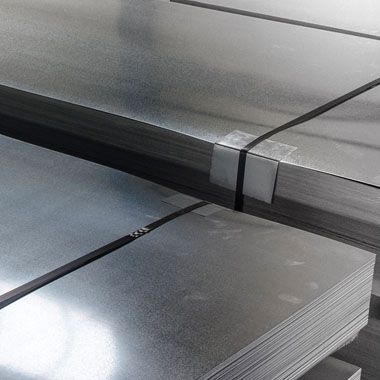
We stock C-276 plates in thicknesses ranging from 1.0mm to 50mm, with widths up to 2000mm and lengths as required.
For customers needing non-standard sizes, we offer custom cutting services including shearing, plasma cutting, and waterjet cutting. We can match your exact dimensions with precision.
Whether you need a single plate for an emergency repair or twenty tons for a new plant construction, we work flexibly with your minimum order quantity requirements. Small trial orders are always welcome.
Packaging and Shipping
Because C-276 plates represent a significant investment, we take great care in packaging.
We use wooden pallets, waterproof wrapping, and edge protection to ensure your material arrives in perfect condition. Our packaging is designed to withstand the rigors of international shipping.
From our warehouse in China, we ship reliably to your facility anywhere in the world. We handle all logistics, including documentation for customs clearance.
Comparison with Inconel 625
To appreciate the value of Hastelloy C-276, it helps to understand how it compares to other common alloys.
Inconel 625 offers higher mechanical strength and good seawater resistance, making it a strong candidate for marine applications. However, Inconel 625 is less resistant to reducing acids like hydrochloric acid compared to C-276.
For applications involving mixed acids or environments where both oxidizing and reducing conditions occur, C-276 is generally the better choice. Each alloy has its strengths, and the right selection depends on your specific service conditions.
Comparison with 316L Stainless Steel
316L stainless steel is significantly lower in cost than C-276 and works well for mild chemical environments.
However, 316L has poor resistance to chlorides and is highly susceptible to pitting and crevice corrosion. In seawater service or applications involving chlorides, 316L often fails much sooner than C-276.
For environments that are highly reducing, contain halides, or involve mixed oxidizing and reducing conditions, C-276 is often the clear winner despite its higher upfront cost.
A Real-World Success Story
Consider a real-world example that illustrates the value of choosing the right material.
A chemical plant in Southeast Asia was experiencing frequent failures of 316L stainless steel reactor liners. The liners were handling a mixture of hydrochloric acid and organic solvents.
Each failure resulted in three days of downtime and costly repairs. The plant was losing production and spending heavily on maintenance.
After switching to Hastelloy C-276 plates supplied by Jiangsu Zhongmiao Steel, the plant has now operated for over 18 months without a single corrosion-related shutdown.
The initial material cost was higher, but the return on investment was realized within the first year through reduced downtime and lower maintenance expenses.
Cutting and Machining Tips
If you are planning to fabricate Hastelloy C-276 plates, keeping a few practical guidelines in mind will help ensure success.
When cutting, use slow speeds and heavy feeds to avoid work-hardening. Plasma or waterjet cutting works well for complex shapes and produces clean edges.
Avoid using abrasive cutting wheels that can introduce contamination. If you must use mechanical cutting methods, ensure your tools are sharp and dedicated to C-276 to prevent cross-contamination.
Welding Best Practices
For welding C-276 plates, always use matching filler metal such as ERNiCrMo-4.
While C-276 has excellent weldability, cleanliness is absolutely critical. Remove all oil, grease, and markings from the surface before welding. Any contamination can lead to weld defects or reduced corrosion resistance.
No post-weld heat treatment is required for most applications, which saves time and cost. However, proper shielding gas selection and welding technique are important to maintain the alloy’s corrosion resistance.
Forming and Handling Considerations
During forming operations, be aware that C-276 work-hardens rapidly.
Interstage annealing may be required for severe cold forming operations. This softens the material and allows further deformation without cracking.
Finally, protect surfaces from iron contamination, which can act as a corrosion initiation site. Use clean tools and dedicated lifting equipment for handling C-276 plates. Store plates away from carbon steel to avoid cross-contamination.
Our technical team at Jiangsu Zhongmiao Steel is always available to advise on best practices for your specific application.
How to Send an Inquiry
Ordering C-276 plates from us is a straightforward process designed to get you the material you need with minimal hassle.
Begin by sending an inquiry to our sales team. Include the required dimensions such as thickness, width, and length. Specify the grade as UNS N10276 and provide the quantity you need.
Also let us know about any special requirements such as custom cutting, surface finishing, or specific packaging needs. The more information you provide, the faster we can respond with an accurate quotation.
What to Expect After Your Inquiry
We will promptly confirm availability, lead time, and shipping options based on your location and preferred port.
Our team will provide a clear quotation with pricing, delivery terms, and payment options. We pride ourselves on transparent communication with no hidden fees or surprises.
Once you accept the quotation, we will send a formal sales confirmation and request any additional information needed for production or logistics.
Placing Your Order
Once you place your order, we handle all necessary documentation.
This includes commercial invoice, packing list, and, if required, a certificate of origin. We can also assist with letters of credit or other payment arrangements as needed.
Your material will then be scheduled for production or pulled from our stock. We keep you informed at every stage of the process.
Shipping and Delivery
After production and quality control, your C-276 plates will be securely packed and prepared for shipment.
We ship to your nearest port or directly to your facility, depending on your preference and location. We work with reliable freight forwarders to ensure timely delivery.
Tracking information and shipping documents will be provided so you can monitor your shipment’s progress.
Sample Orders
For customers who wish to qualify our material before committing to larger volumes, we welcome sample orders.
Contact us to discuss current stock availability for sample quantities. This allows you to test our material in your specific application before placing a full production order.
Many of our long-term relationships began with a small sample order that proved our quality and service.
Summary of What We Offer
When you choose Jiangsu Zhongmiao Steel Co., Ltd. as your supplier, you are choosing authentic, traceable materials from certified sources.
You also benefit from technical support to help you select and fabricate the right alloy for your needs. Our team has years of experience with high-performance alloys.
Finally, you get reliable logistics that deliver on time, every time. We understand that delays in material delivery can disrupt your entire production schedule.
Conclusion
Hastelloy C-276 plates are not a commodity — they are a critical safety and performance component in demanding industrial processes.
Whether you are building a new chemical reactor, retrofitting a flue gas desulfurization system, or simply need a few plates for an emergency repair, we are here to help.
Do not compromise on corrosion protection when your operations depend on reliable performance.
Contact Us Today
Contact Jiangsu Zhongmiao Steel Co., Ltd. today to request a quote, ask for technical datasheets, or discuss your C-276 plate requirements.
Our sales team is ready to answer your questions and provide the information you need to make an informed decision.
Let us supply the alloys that keep your operation running, even in the harshest environments.
Navigation
Send Us A Message
Get in touch with us
Phone